This Body Fat Calculator is a free online tool that estimates the percentage of fat in your body based on factors like age, gender, weight, height and measurements. This ideal body fat calculator provides a more comprehensive view of your health by distinguishing between fat mass and lean mass. It uses scientifically validated formulas to deliver personalized results, which helps you to set realistic fitness and health goals. This tool is also known as: body fat percentage calculator or body fat composition calculator etc.
Body Fat Calculator
How to Use the Body Fat Calculator
- Select Your Gender: Choose between male or female using the radio buttons.
- Enter Your Age: Input your age in years.
- Enter Your Weight: Input your weight in kilograms or pounds.
- Enter Your Height: Input your height in centimeters or inches.
- Calculate: Click the “Calculate” button to see your body fat percentage displayed in a distinct color. The tool works seamlessly on desktops, tablets and mobile devices.
Why Use a Body Fat Calculator?
- Accurate Health Insights: It provides a clearer picture of your health than just weight alone.
- Health Awareness: Knowing your body fat percentage can help you identify potential health risks such as obesity or being underweight.
- Fitness Tracking: Helps you monitor changes in body composition over time.
- Goal Setting: Assists in setting realistic fitness and weight loss goals.
- User Friendly: Designed to be simple and intuitive, which makes it usable to everyone.
If you are interested in how it works, here is the formula used:
Body fat % = –44.988 + (0.503 × age) + (10.689 × sex) + (3.172 × BMI) – (0.026 × BMI²) + (0.181 × BMI × sex) – (0.02 × BMI × age) – (0.005 × BMI² × sex) + (0.00021 × BMI² × age)
where:
- Sex value: male = 0 and female = 1
- BMI = weight/ height² [kg/m]²
This equation was validated by the American Diabetes Association. It was tested on 6,510 people and showed an estimated error of 4.66%.
Please note that, due to the various body types of the people, the calculator may not be 100% accurate! For example, a muscular person with high weight and BMI values, can be perfectly fit and can’t be termed as obese.
Body Fat Percentage: What It Means and Why It Matters
Body fat percentage is a more meaningful health indicator than weight alone. It shows how much of your body is made up of fat, helping distinguish between fat mass and lean mass (muscle, bone, organs, and water).
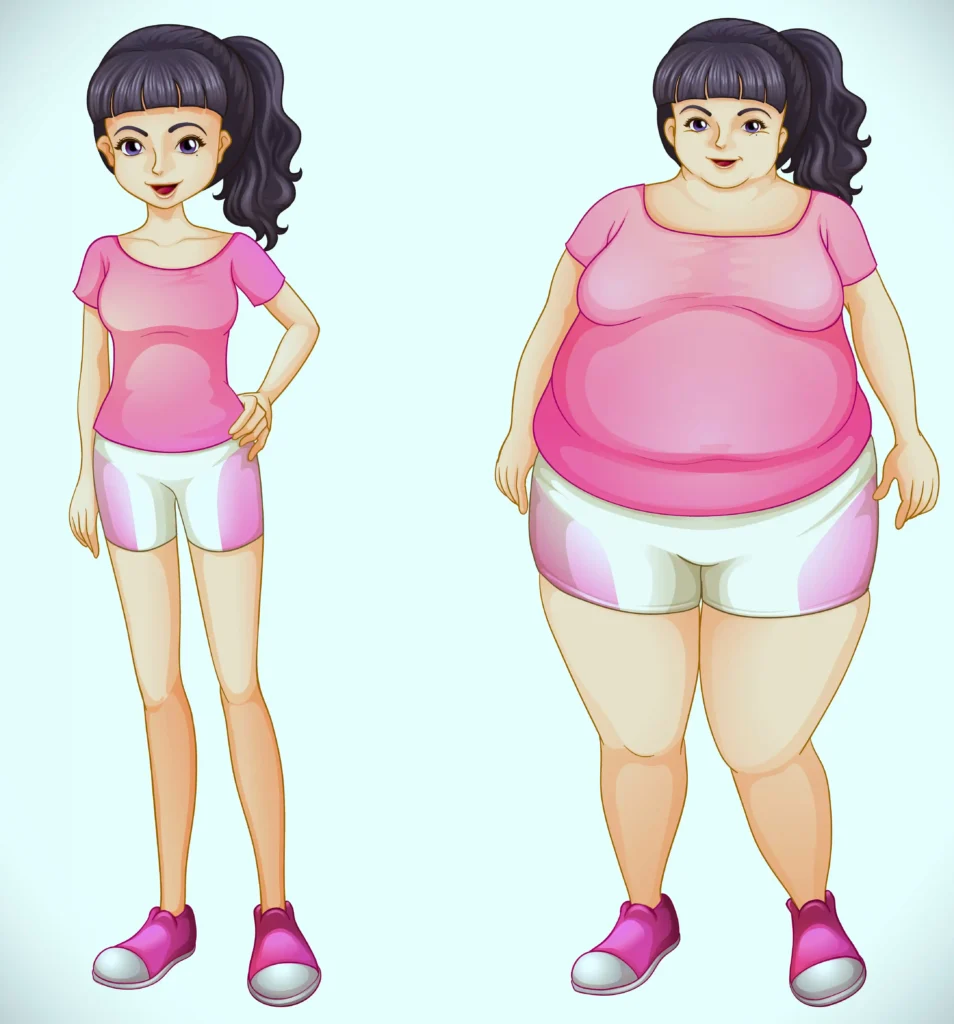
Body Fat Categories (ACE Standards)
According to the American Council on Exercise (ACE):
- Essential fat
- Women: 10–13% | Men: 2–5%
- Athletes
- Women: 14–20% | Men: 6–13%
- Fitness
- Women: 21–24% | Men: 14–17%
- Average
- Women: 25–31% | Men: 18–24%
- Obese
- Women: 32%+ | Men: 25%+
Ideal Body Fat by Age (Jackson–Pollock)
Ideal body fat naturally increases with age due to hormonal and metabolic changes. For example:
- At 20 years:
- Women ~17–18% | Men ~8–9%
- At 40 years:
- Women ~22% | Men ~15%
- At 55 years:
- Women ~26% | Men ~21%
This gradual increase is normal and expected.
Understanding Body Fat
Body fat, scientifically called adipose tissue, is not all bad. It:
- Stores energy
- Produces essential hormones
- Protects organs
- Helps regulate body temperature
Types of Body Fat
- Essential fat: Required for survival and reproduction
- Storage fat: Includes subcutaneous fat (under the skin) and visceral fat (around organs)
While some storage fat is healthy, excess visceral fat is linked to serious health risks.
Overweight vs. Obesity
Being overweight does not always mean excess fat. Body weight includes muscle, bone, and water. Athletes with high muscle mass may be classified as overweight despite having low body fat.
Obesity occurs when excess fat accumulates over time, often due to genetics, diet, physical inactivity, and aging-related hormonal changes.
Health Risks of Excess Body Fat
Excess body fat—especially abdominal fat—is associated with:
- Heart disease and stroke
- Type 2 diabetes
- High LDL (“bad”) cholesterol and low HDL (“good”) cholesterol
- Insulin resistance
- Sleep apnea
- Certain cancers
- Reduced life expectancy
Visceral fat also disrupts hormone balance and releases inflammatory substances that increase cardiovascular risk.
How Body Fat Percentage Is Measured
U.S. Navy Method
This method uses body measurements such as:
- Waist and neck (men)
- Waist, neck, and hips (women)
It applies validated formulas to estimate body fat percentage. While practical and widely used, results are estimates, not exact values.
From body fat percentage, you can calculate:
- Fat Mass (FM) = Body Fat % × Weight
- Lean Mass (LM) = Weight − Fat Mass
BMI-Based Method
Body fat can also be estimated using BMI, age, and gender. This method is quick but less accurate, as BMI does not account for muscle mass or fat distribution.
Conclusion
Body fat percentage provides deeper insight into health than weight or BMI alone. While all measurement methods have limitations, tracking body fat over time—along with healthy eating, regular exercise, and good sleep—offers a far better picture of overall well-being.
Disclaimer: This tool is for information purpose only and it should not be considered as medical advice. Please consult your physician for medical advice.
References:
The American Council on Exercise Body Fat Categorization:
|
Description |
Women | Men |
|
Essential fat |
10-13% |
2-5% |
|
Athletes |
14-20% |
6-13% |
|
Fitness |
21-24% |
14-17% |
|
Average |
25-31% |
18-24% |
| Obese | 32%+ |
25%+ |
Jackson & Pollock Ideal Body Fat Percentages:
|
Age |
Women |
Men |
|
20 |
17.70% |
8.50% |
|
25 |
18.40% | 10.50% |
| 30 | 19.30% |
12.70% |
|
35 |
21.50% | 13.70% |
|
40 |
22.20% |
15.30% |
|
45 |
22.90% | 16.40% |
| 50 | 25.20% |
18.90% |
| 55 | 26.30% |
20.90% |
